The Engineering Reality of Extreme Topography
Deploying photovoltaic generation in mountainous environments such as Chitral, Booni, and northern Khyber Pakhtunkhwa presents challenges entirely absent in flatland installations. With elevations exceeding 2,000 meters, ambient temperatures regularly oscillating between -15°C in winter and +38°C in summer, and intense ultraviolet irradiance, standard off-the-shelf commercial equipment rapidly experiences premature failure if not specifically engineered for extreme ambient resilience.
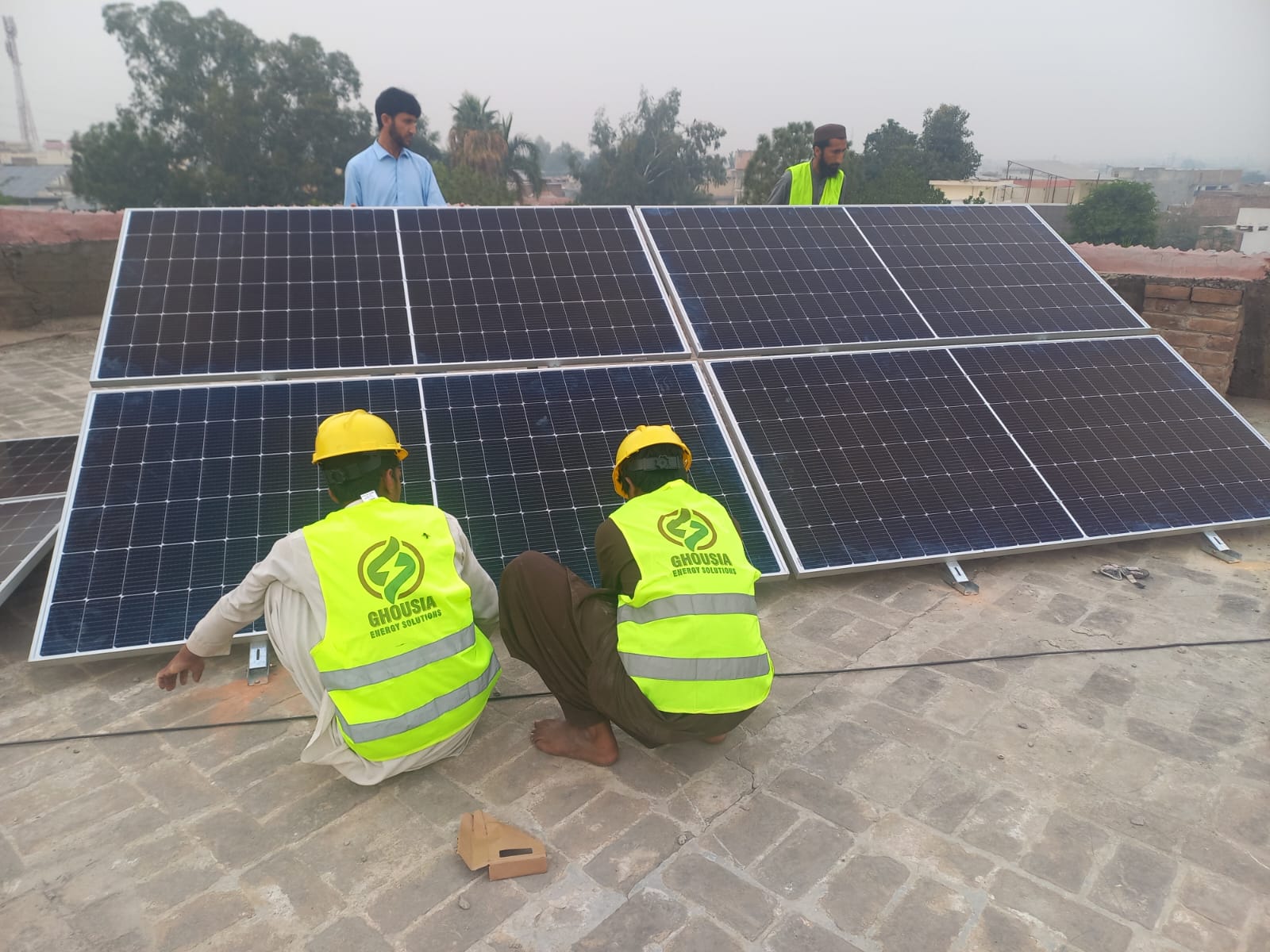
Drawing from our field executions for the Aga Khan Agency for Habitat, Pakistan (AKAHP) across 2024 and 2025, our engineering teams have codified an austere deployment standard for high-altitude solar hybrid microgrids.
1. Sub-Zero Battery Thermal Management
Standard Lithium Iron Phosphate (LiFePO4) battery cells suffer catastrophic lithium plating if charged below 0°C. In Chitral and Booni winters, battery banks installed in unheated service sheds frequently drop below -10°C. To safeguard storage longevity without parasitic energy penalties, we implement:
- Multi-Layer Thermal Enclosures: IP65 sealed enclosures with closed-cell polyurethane insulation rated R-14.
- Integrated Low-Voltage Internal PTC Heating Elements: Automated silicone heating jackets that activate strictly on surplus PV yield before charging commences.
- Dual-Channel BMS Telemetry: Cell-level thermistor monitoring with hard interlocks halting bulk charge if any cell core temperature is beneath +5°C.
High-Altitude Albedo and Bi-Facial Yield Gains
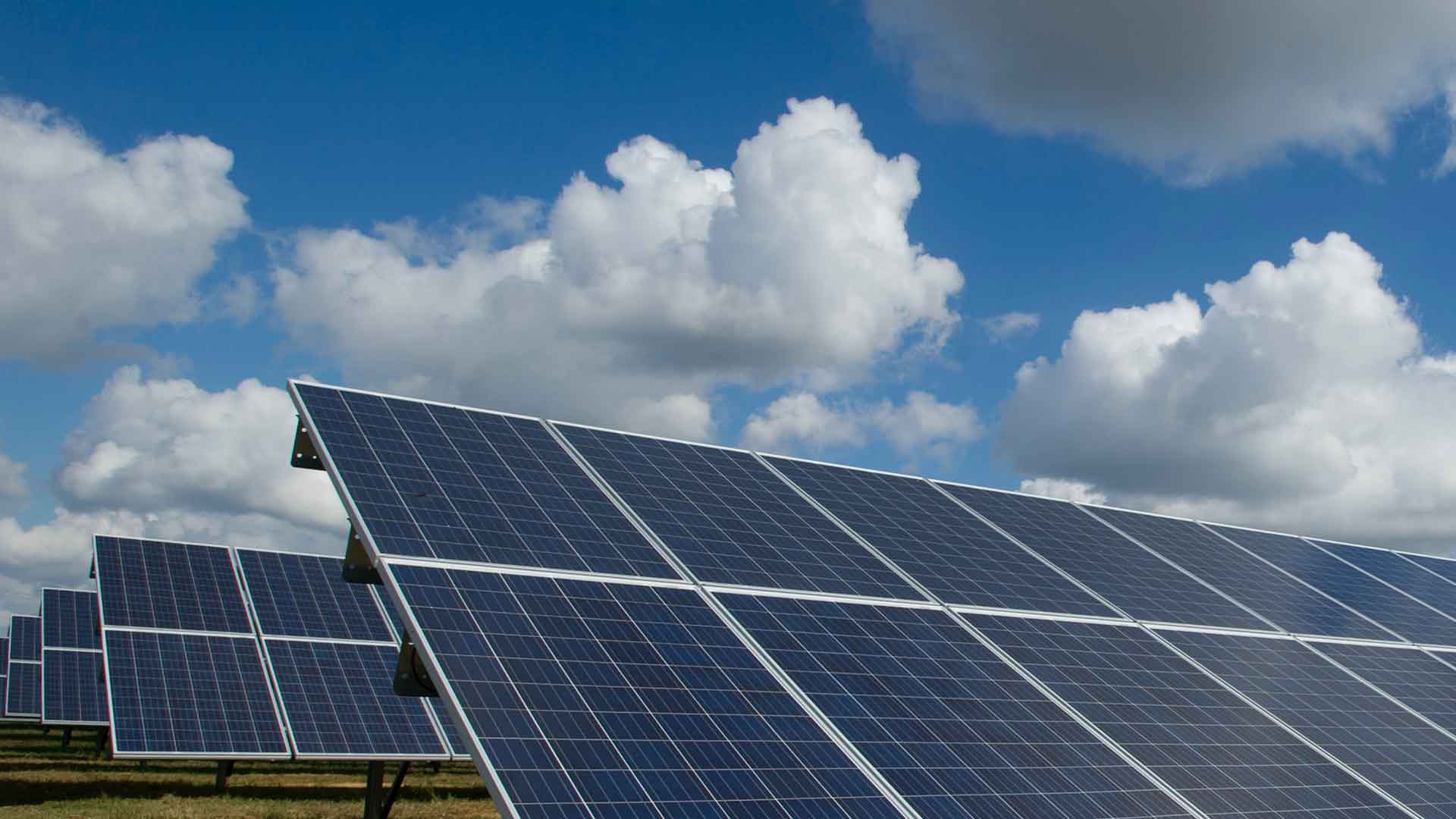
At elevations above 1,800m, atmospheric thinning reduces air mass filtration, increasing direct normal irradiance (DNI). When combined with snow ground cover (albedo coefficients exceeding 0.75), bi-facial N-type TOPCon modules achieve up to 24% additional backside power harvest compared to sea-level design models.
2. Seismic Framing & High-Wind Structural Design
Mountain valleys experience violent downslope wind funnels with gusts reaching 140 km/h, compounded by regional seismic activity. For projects such as the 10kW Booni Carport and Miragram School hybrid systems, our structural designs incorporate:
- Hot-dip galvanized structural steel (80μm minimum zinc coating thickness) preventing rust from acidic snowpack melt.
- High-tensile Grade 8.8 structural fasteners with mechanical anti-loosening lock nuts.
- Reinforced concrete spread footings keyed into bedrock with embedded anchoring J-bolts.
Project Outcome & Community Impact
By pairing resilient hardware engineering with remote GSM/satellite monitoring telemetry, these solar hybrid systems provide uninterrupted 230V clean power for critical public health, educational, and institutional infrastructure, eliminating reliance on costly diesel generator supply chains across mountain passes.